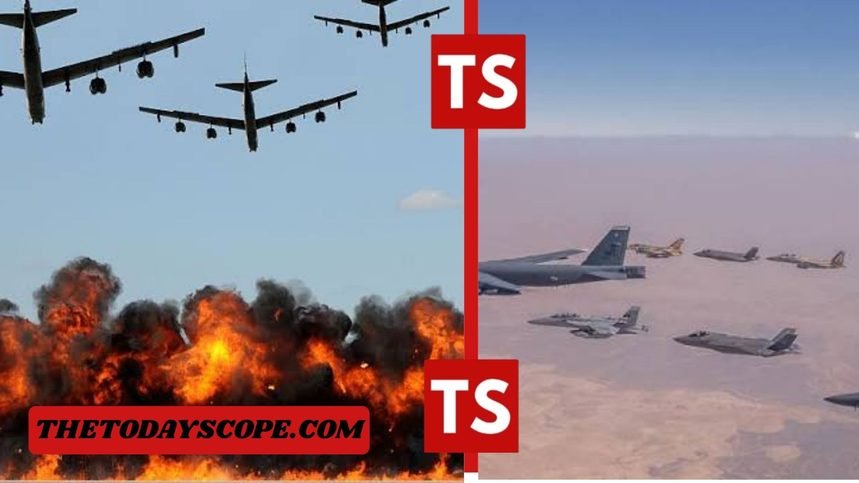
A military strike is a planned attack against a military target.
Its purpose can range from disrupting forces to destroying key assets.
What Is a Military Strike?
A military strike is a short, deliberate military attack. It commonly involves aircraft, missiles, drones, artillery, or other weapons. Cambridge defines a military strike as a sudden, short attack. Air and missile attacks are common examples.
The phrase describes an action, not a specific weapon. A strike may target military equipment, command facilities, weapons sites, or other military objectives. The exact method depends on the mission, location, intelligence, and available forces.
At a Glance
| Detail | Information |
|---|---|
| Term | Military Strike |
| Meaning | A planned military attack |
| Common Methods | Aircraft, missiles, drones, artillery |
| Typical Targets | Military objectives |
| Main Purpose | Gain a specific military advantage |
| Legal Framework | International humanitarian law |
| Civilian Protection | Required during armed conflict |
| Common Related Terms | Airstrike, missile strike, drone strike |
Unlike a biography subject, military strike has no birth date, hometown, marriage, or net worth. Those details are therefore not applicable.
How a Military Strike Works
A military strike normally begins with a defined operational objective. Commanders then assess intelligence and identify the intended target. The force selects a suitable method based on distance, timing, defenses, and mission requirements.
The planning process can involve several stages:
- Intelligence gathering
- Target identification
- Operational planning
- Weapon and platform selection
- Civilian-harm assessment
- Authorization
- Strike execution
- Post-strike assessment
The final assessment can examine whether the target was hit. It can also examine unexpected damage and civilian effects. These assessments are important for future military decisions.
Major Types of Military Strikes
Military strikes can take different forms. The terminology usually reflects the weapon or platform involved.
Air Strikes
An airstrike uses military aircraft against targets on the ground. Aircraft may use bombs or missiles during such operations. Airstrikes have been used extensively in modern conflicts.
Missile Strikes
A missile strike uses guided or unguided missiles. Missiles can travel considerable distances before reaching their targets. Their use can reduce the need for aircraft to fly directly over targets.
Drone Strikes
A drone strike uses an unmanned aircraft system. Such systems can provide surveillance and strike capabilities. Their use has become an important part of modern warfare.
Artillery Strikes
Artillery strikes use weapons such as large-caliber guns or rocket systems. They can provide fire support over shorter or medium distances. Their effects depend heavily on accuracy and target location.
Why Do Militaries Conduct Strikes?
Military strikes can serve different operational purposes. They may attempt to weaken an opposing force before larger operations. They can also target specific military capabilities.
Common objectives include:
- Destroying military equipment
- Disrupting command structures
- Damaging logistical infrastructure
- Supporting ground forces
- Reducing an opposing force’s capabilities
- Responding to an earlier attack
The stated objective does not automatically determine whether a strike is lawful. The circumstances and conduct of the attack also matter.
Military Strikes and International Law
International humanitarian law places important limits on attacks. One central rule is distinction. Parties must distinguish civilians from combatants. They must also distinguish civilian objects from military objectives.
Another important rule is proportionality. Expected civilian harm cannot be excessive compared with the anticipated concrete military advantage. This assessment concerns the specific attack.
The Principle of Precaution
Military planners must also take feasible precautions. These measures aim to reduce civilian deaths and injuries. They can include choosing different timing, methods, or attack plans.
Human Rights Watch notes that parties should take feasible steps to verify targets. They should also seek to minimize civilian harm.
A civilian casualty does not automatically prove an unlawful attack. The legal assessment depends on the target, available information, expected harm, precautions, and circumstances.
Military Strike vs. Airstrike
These terms are related but not identical.
A military strike is the broader term. It can describe attacks using different military platforms. An airstrike specifically refers to an attack conducted from the air.
For example, a missile launched from an aircraft can form part of an airstrike. A missile launched from another platform may simply be described as a missile strike.
Why Strike Reports Can Be Difficult to Verify
Information about military strikes can change quickly. Initial reports may contain conflicting casualty figures or target descriptions. Governments, military forces, witnesses, and independent investigators may provide different accounts.
For this reason, readers should distinguish between:
- Confirmed facts
- Official claims
- Witness accounts
- Independent investigations
- Unverified allegations
A responsible report should clearly label uncertain information. It should never present an unverified claim as established fact.
The Human Impact of Military Strikes
Military strikes can have consequences beyond the immediate target. Explosions can damage buildings, infrastructure, roads, and essential services. Civilian communities may experience displacement and long-term disruption.
International humanitarian law therefore focuses heavily on protecting civilians. It prohibits indiscriminate attacks and requires attention to foreseeable civilian harm.
The impact can also continue after the attack. Damaged hospitals, homes, electricity systems, or water infrastructure can create additional risks. These wider effects can matter when assessing humanitarian consequences.
How to Understand a Military Strike Report
Readers can evaluate reports by asking several basic questions.
Five Useful Questions
- What was the claimed target?
- Who carried out the strike?
- What weapon or platform was used?
- Were civilians reportedly affected?
- Which facts remain independently unverified?
These questions help separate established information from competing claims. They also prevent headlines from creating a misleading impression.
Final Perspective
A military strike is more than simply an explosion or attack. It is a planned use of military force against a selected objective. Its purpose, method, consequences, and legality can vary significantly.
The most important distinction is between what happened and what someone claims happened. Reliable reporting should identify evidence, acknowledge uncertainty, and avoid unsupported conclusions. International humanitarian law also requires careful attention to distinction, proportionality, and precautions.