



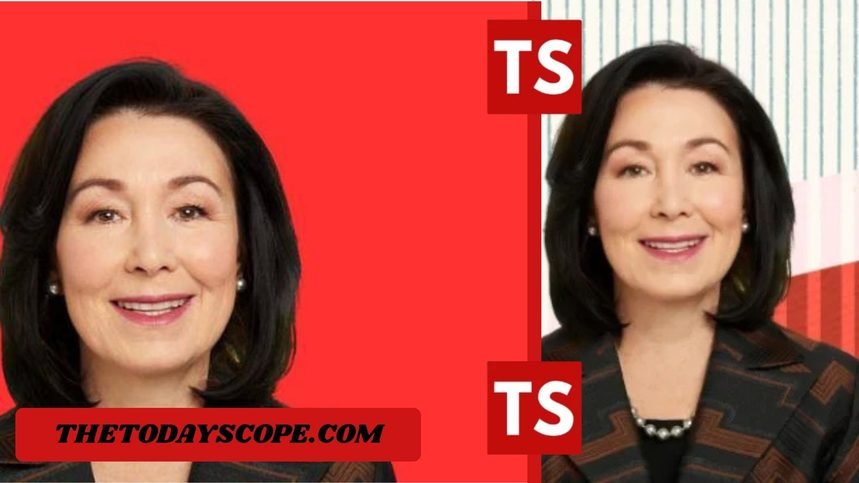
Safra Catz and Peter Lynch built very different business legacies.
One transformed enterprise technology; the other reshaped mutual-fund investing.
At a Glance
| Detail | Safra Catz | Peter Lynch |
|---|---|---|
| Birth Name | Safra Ada Catz | Peter S. Lynch |
| Born | 1961 | 1944 |
| Birthplace | Holon, Israel | Newton, Massachusetts |
| Education | University of Pennsylvania, BA and JD | Boston College, BS; Wharton, MBA |
| Profession | Technology executive | Investor and fund manager |
| Best Known For | Oracle leadership | Managing Fidelity Magellan Fund |
| Spouse | Gal Tirosh | Carolyn Lynch, deceased 2015 |
| Marriage | 1997 | 1968 |
| Children | Two sons | Three daughters |
| Current Role | Oracle Executive Vice Chair | Lynch Foundation President; Fidelity vice chairman |
| Key Achievement | Helped lead Oracle’s cloud transformation | Managed Magellan from 1977–1990 |
Sources: Oracle, Fidelity, Lynch Foundation, and biographical records.
Who Is Safra Catz?
Safra Catz is a major figure in enterprise technology.
She joined Oracle in 1999 after investment banking experience.
Oracle later became the center of her professional career.
Today, she serves as Oracle’s executive vice chair.
Catz previously held several senior Oracle positions.
Those included president, CFO, and executive vice president.
She also served as Oracle’s chief executive officer.
Her CEO tenure ran from 2014 through 2025.
Early Life and Education
Catz was born in Holon, Israel, in 1961.
Her family moved to Massachusetts when she was six.
She later graduated from Brookline High School.
She studied business and law at the University of Pennsylvania.
he earned her bachelor’s degree in 1983.
She received her law degree in 1986.
Instead of practicing law, she entered investment banking.
That decision shaped her later technology career.
Career and Oracle Influence
Catz worked at Donaldson, Lufkin & Jenrette.
She eventually became the firm’s managing director.
Her work focused heavily on technology-related clients.
She joined Oracle as a senior vice president in 1999.
Her influence expanded rapidly inside Oracle.
he joined Oracle’s board in 2001.
She became president in 2004.
She later became one of the company’s most influential executives.
One overlooked part of her legacy involves acquisitions.
Catz played a major role in Oracle’s acquisition strategy.
Forbes credits her with helping close over 130 acquisitions.
Those deals helped reshape Oracle’s software business.
Oracle later shifted strongly toward cloud computing.
Catz helped lead that strategic transition as CEO.
In September 2025, Oracle named two new CEOs.
Catz then became executive vice chair of the board.
Safra Catz Personal Life and Privacy
Catz married Gal Tirosh in 1997.
The couple has two sons.
Tirosh has maintained a comparatively private public profile.
Some family details reported online are inconsistent.
Her current residence is reported as Fort Lauderdale, Florida.
For privacy, exact residential details are not appropriate here.
Public biographies also vary on some family information.
Those discrepancies should not be treated as established facts.
Forbes currently estimates Catz’s wealth at about $2.9 billion.
That figure can change with market conditions.
Therefore, it should not be treated as a fixed fortune.
Who Is Peter Lynch?
Peter Lynch is one of America’s best-known investors.
He became famous through Fidelity’s Magellan Fund.
He managed the fund from 1977 until 1990.
His investing career later expanded into writing and philanthropy.
Lynch was born in Newton, Massachusetts, in 1944.
His father died from cancer during Lynch’s childhood.
Lynch later worked as a golf caddie.
That experience helped him connect with Fidelity executives.
Education and First Investment Lessons
Lynch graduated from Boston College in 1965.
He studied history, psychology, and philosophy.
He later earned an MBA from Wharton in 1968.
His education combined broad study with financial training.
While at Boston College, Lynch bought Flying Tiger Airlines.
He used savings from his caddying work.
The investment eventually produced a major return.
It also helped reinforce his interest in stocks.
Fidelity and the Magellan Fund
Lynch joined Fidelity as an intern in 1966.
He later served in the U.S. Army.
He returned to Fidelity in 1969.
By 1974, he had become director of research.
In 1977, Lynch took control of Magellan.
The fund then held roughly $18 million.
By his 1990 departure, assets exceeded $14 billion.
Its average annual return reached about 29.2%.
Those numbers explain Lynch’s enduring reputation.
His approach focused on individual businesses and their prospects.
He also popularized the phrase “buy what you know.”
His strategy encouraged investors to study familiar companies carefully.
Peter Lynch’s Investment Philosophy
Lynch’s approach was broader than simple stock picking.
his looked for understandable businesses with growth potential.
He became associated with growth at a reasonable price.
He also popularized the term “ten-bagger.”
His philosophy remains influential among individual investors.
However, Lynch never presented investing as effortless.
His career involved extensive research and company analysis.
That distinction is often lost in simplified online advice.
His best-known book is One Up on Wall Street.
It was published in 1989.
The book explained his practical investment approach.
It helped bring professional investing ideas to ordinary readers.
Peter Lynch’s Personal Life and Philanthropy
Lynch married Carolyn Lynch in 1968.
They had three daughters.
Carolyn died in 2015 after leukemia complications.
The couple also shared a long philanthropic partnership.
Peter and Carolyn founded the Lynch Foundation in 1988.
The foundation focuses mainly on Greater Boston.
Its major areas include education and healthcare.
Culture, preservation, and religious programs also receive support.
The foundation’s impact provides an important perspective.
Lynch’s legacy extends beyond investment performance.
The organization reports substantial scholarship and capital grants.
It has supported thousands of students through scholarships.
Peter Lynch remains president of the Lynch Foundation.
He is also identified as vice chairman at Fidelity.
His public profile now centers heavily on investing and philanthropy.
Safra Catz vs. Peter Lynch: What Connects Them?
Catz and Lynch belong to different business generations.
Their industries are also fundamentally different.
Yet both built careers around disciplined decision-making.
Both also relied heavily on numbers and research.
Catz operated inside a global technology corporation.
Lynch managed portfolios across many industries.
Catz helped execute major corporate transactions.
Lynch evaluated companies as potential investments.
Their strongest connection is therefore strategic thinking.
Neither career was built around celebrity alone.
Both depended on understanding businesses beneath the headlines.
That makes their careers useful business case studies.
An Overlooked Difference
Their legacies also reveal two different meanings of growth.
For Catz, growth involved acquisitions, software, and cloud infrastructure.
For Lynch, growth meant identifying promising companies early.
Both approaches required patience, analysis, and calculated risk.
That difference makes their stories especially interesting.
One shaped companies from inside the boardroom.
The other judged companies from the investor’s side.
Together, they illustrate two sides of modern business.
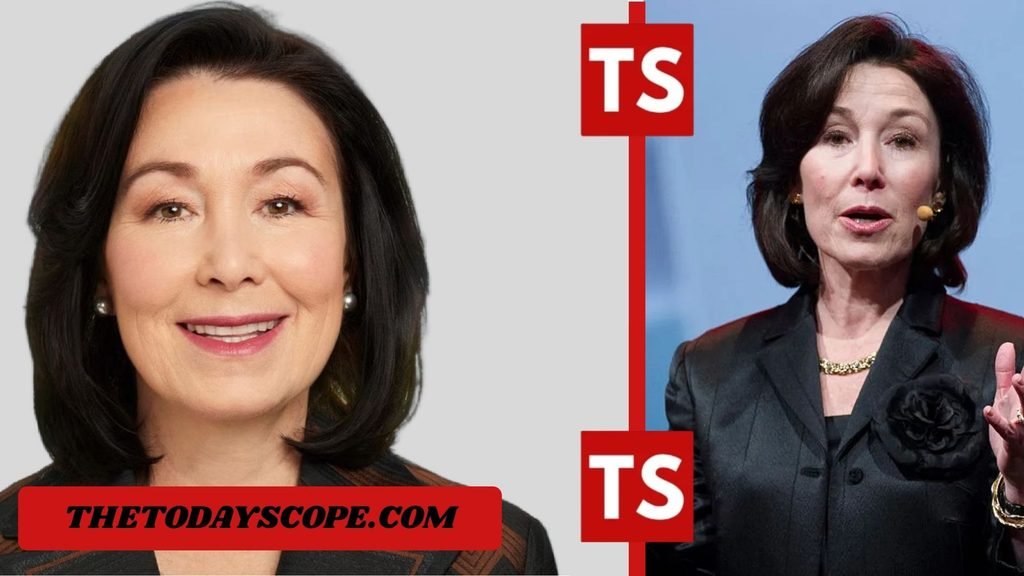
Net Worth and Public Records
Safra Catz has a publicly tracked billionaire fortune.
Forbes listed her estimated wealth at $2.9 billion.
The figure reflects market-based estimates and can fluctuate.
Peter Lynch’s current net worth is less consistently documented.
Older estimates exist, but they are not current valuations.
A precise 2026 figure should therefore remain unconfirmed.
This article avoids presenting outdated estimates as fact.
That distinction matters when researching wealthy public figures.
Net worth figures are estimates, not audited personal statements.
Stock prices and private holdings can change those calculations.
Reliable articles should always identify the source and date.
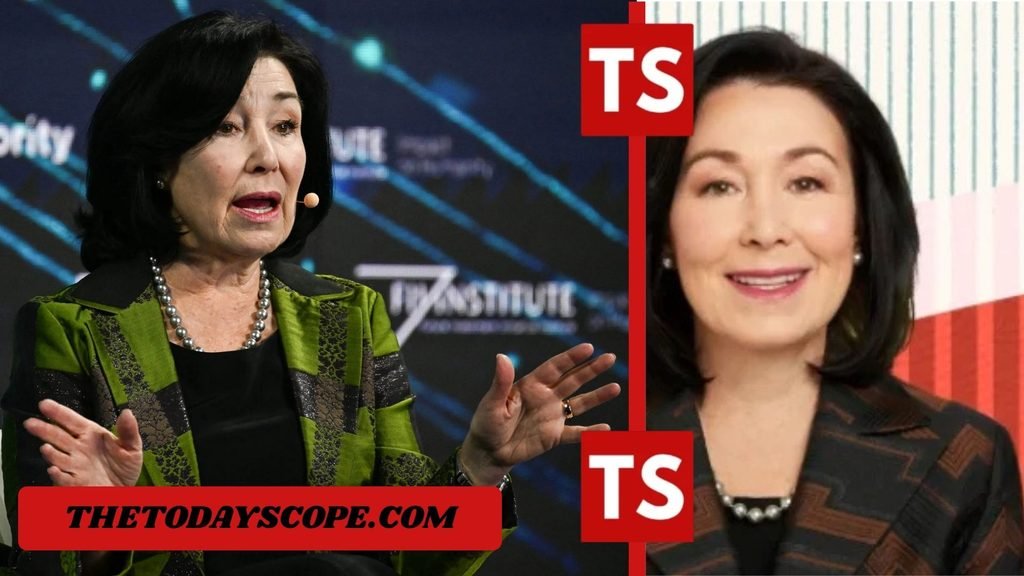
Final Perspective
Safra Catz and Peter Lynch built different kinds of influence.
Catz became a leading force in enterprise technology.
Lynch became a defining figure in mutual-fund investing.
Both turned analytical discipline into long-term professional success.
Their stories also show the value of specialization.
Catz mastered corporate technology and strategic transactions.
Lynch mastered company analysis and portfolio management.
Their careers remain relevant because those skills still matter.
Read more :Jason Luv Net Worth: What His Fortune Really Means